

FAQ

Why does my skin feel oily but still tight or uncomfortable?
That’s usually dehydration, not excess oil. In hot and humid weather, skin loses water faster—even when it produces oil.
Does sweating clog pores?
Sweat itself doesn’t clog pores. But when mixed with oil, sunscreen, and pollution, it can contribute to congestion if skin isn’t cleansed properly.
Should I wash my face multiple times a day in summer?
No. Over-cleansing strips the skin barrier and often leads to more oil and breakouts. Twice daily is enough.
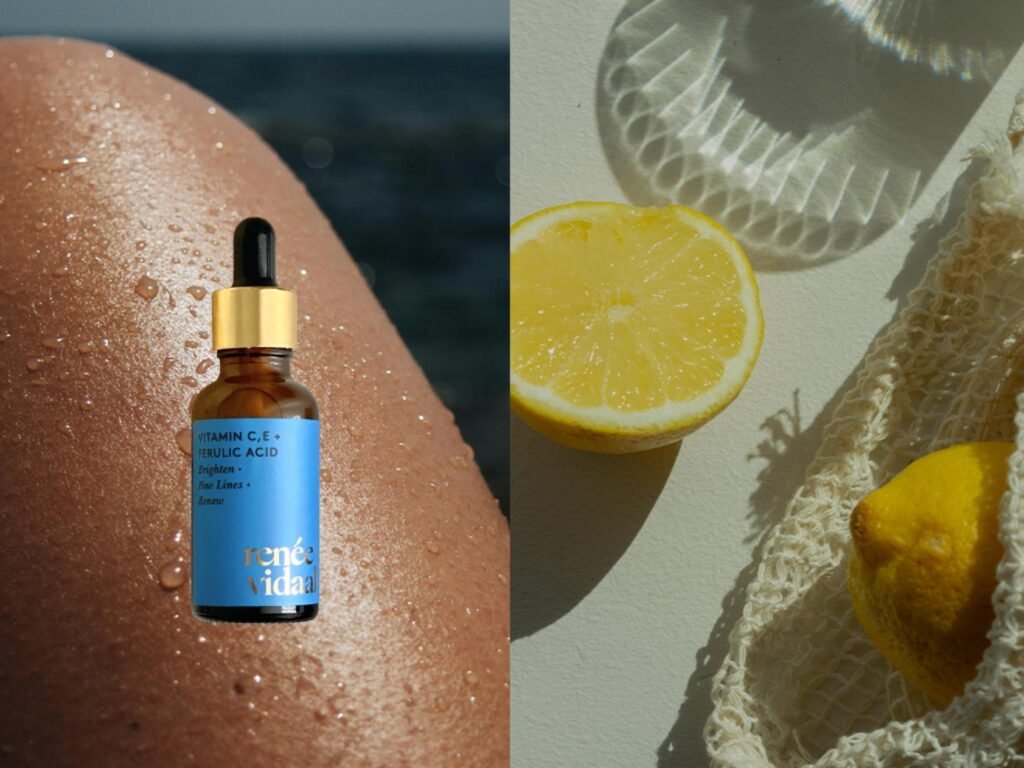
Why do acne marks last so long on Indian skin?
Melanin-rich skin responds strongly to inflammation. Even mild acne can leave behind dark marks that fade slowly without consistent care.
Can I treat acne and pigmentation at the same time?
Yes—but gently. Aggressive routines often worsen marks. Balanced exfoliation, barrier support, and patience work better.
Are pores permanent?
Pore size is genetic, but congestion and excess oil make them appear larger. Keeping pores clean helps them look more refined.
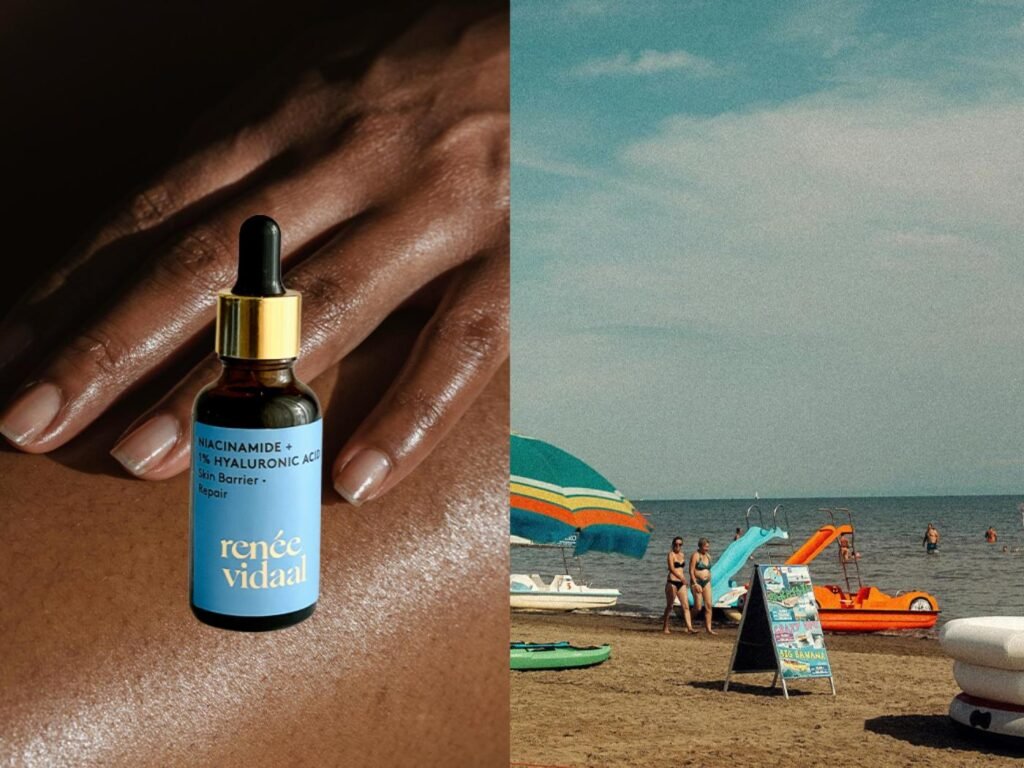
Why does my skin react when I start new “active” products?
Often it’s not an allergy—it’s barrier stress. Introducing too many actives too quickly overwhelms skin.
How many actives are too many?
If your skin feels stinging, tight, or suddenly sensitive, it’s a sign to pause. Skin works best with one or two targeted actives, not everything at once.
Should I stop actives during travel or stressful periods?
Yes, simplifying during travel, illness, or high stress helps skin recover faster.
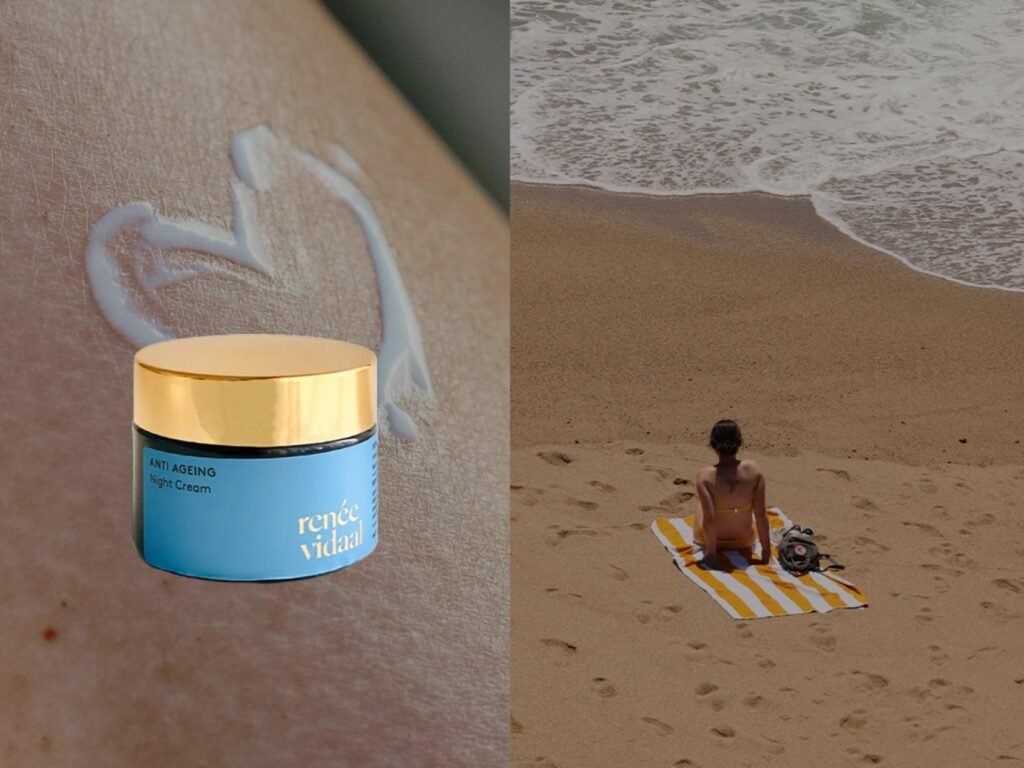
Why does my skin look dull by evening?
Heat, pollution, sweat, and screen exposure stress skin throughout the day. Evening care is about undoing that damage, not adding more stress.
Is night cream necessary in humid weather?
Often yes—just lighter textures. Nighttime is when skin repairs itself, regardless of climate.
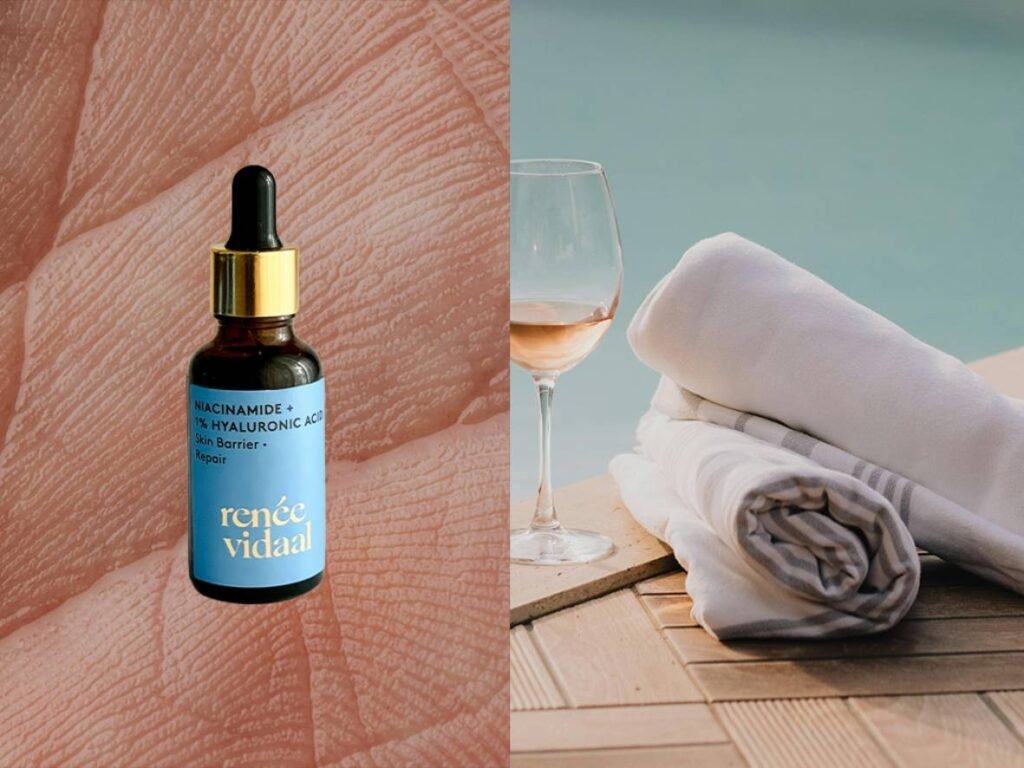
Why does my skin tan or darken so easily even when I’m careful?
High UV exposure, heat, and visible light trigger melanin production—especially in Indian skin tones. Even short, repeated exposure adds up over time.
Is pigmentation always caused by the sun?
No. Acne, inflammation, hormonal changes, and even friction can trigger pigmentation. Sun exposure often makes it darker and harder to fade.
Does sunscreen alone prevent pigmentation?
Sunscreen is essential, but not enough on its own. Consistent use of antioxidants and gentle brightening ingredients improves long-term results.
What does “damaged skin barrier” actually mean?
It means skin is losing moisture too quickly and letting irritants in. This leads to sensitivity, redness, and poor tolerance to products.
Can using too many products damage my skin?
Yes. Over-layering, over-exfoliating, and constantly switching products are common causes of barrier issues.

Why do skincare results take time?
Skin renews itself roughly every 28–40 days. Real improvements happen gradually—not overnight.
If there’s no improvement after 12 weeks of consistent use—or if irritation persists—it’s time to reassess.
No. UV rays penetrate clouds, and visible light still affects skin tone and pigmentation.

Are natural ingredients always gentler?
Not always. Many natural extracts can irritate sensitive skin. What matters is formulation, not whether an ingredient sounds natural.
Are “chemical” ingredients unsafe?
No. Most effective skincare ingredients are scientifically developed and rigorously tested for safety.

Why does sunscreen feel heavy or cause breakouts?
Often it’s not removed properly at night. Sunscreen needs thorough cleansing to prevent buildup.
Can I skip sunscreen on cloudy or rainy days?
No. UV rays penetrate clouds, and visible light still affects skin tone and pigmentation.
Does lack of sleep show up on skin?
Yes. Poor sleep increases inflammation and dullness and slows repair.
Does diet really affect skin?
Indirectly. High sugar, dehydration, and poor gut health often show up as breakouts or dullness.
Why do products behave differently in Indian weather?
Heat and humidity can affect texture and stability. Proper storage helps maintain performance.
Where should I store my skincare products?
Cool, dry places away from direct sunlight. Avoid bathrooms with constant heat and steam.