

How to Store Your Skincare Creams and Serums
To keep your skincare products like serums and creams fresh and effective, store them in a cool (15–25 °C), dry, and dark place—away from heat, light, and humidity. Avoid storing them in the bathroom due to steam and temperature changes. A mini skincare fridge is optional but helpful for heat-sensitive ingredients like vitamin C, retinol, and eye gels. Don’t refrigerate oil-based products or thick creams, as it may affect their texture. Always close bottles tightly, use clean tools, and follow expiry guidelines. Organize your stash for easy use and always check the “Period After Opening” (PAO) date – if it looks or smells off, toss it! Proper storage helps your renée vidaal products work their best.
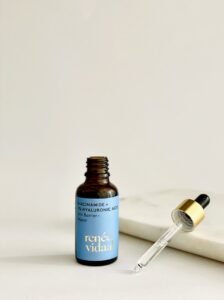
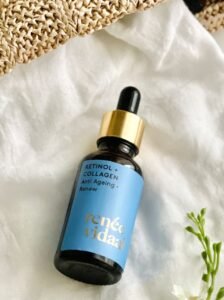
Taking good care of your skincare products is just as important as choosing them. Whether it’s a brightening serum, anti-ageing cream, or detoxifying mask from renée vidaal, proper storage ensures you get maximum performance from each bottle or jar. Here’s how to treat those precious serums and creams so they stay fresh and effective.
The Enemies of Efficacy: Heat, Light, and Air
Many active ingredients, such as the Vitamin C and Retinol found in some of renée vidaal’s advanced formulations, are highly susceptible to degradation when exposed to environmental stressors.
Heat: High temperatures accelerate chemical reactions, causing active ingredients to break down faster. Studies show that a 10°C increase in temperature can double or triple the rate of chemical degradation. This means your potent anti-aging serum could lose its punch much quicker if left on a sunny windowsill or in a steamy bathroom.
Light: Especially UV and visible light, can cause photochemical degradation. This is why you often see products with light-sensitive ingredients, like Vitamin C or Retinol, packaged in opaque or dark glass bottles. Constant light exposure can diminish their efficacy and even change their color or odor.
Air (Oxygen): Oxygen exposure leads to oxidation, which can cause products to go rancid, discolor, and lose effectiveness. This is particularly true for natural oils, butters, and antioxidants like Vitamin C. Securely sealing products after each use is vital to minimize air exposure.
The Ideal Skincare Sanctuary
So, where is the best place for your skincare treasures? Generally, a cool, dark, and dry place is your best bet. A dresser drawer, a cabinet in your bedroom, or a dedicated skincare fridge (more on that in a moment!) are far superior to a bathroom counter.
The Lowdown on Refrigeration: A Cool Idea for Some
The trend of refrigerating skincare isn’t just for a refreshing feel; for some products, it’s scientifically beneficial.
- Vitamin C and Retinol Serums: These powerhouses are notorious for their instability. Refrigeration (around 4°C/39°F) can significantly slow down oxidation and degradation, extending their potency. For instance, research indicates that refrigerated retinol experiences less than 5% degradation over eight weeks, compared to up to 80% loss at room temperature over six months. renée vidaal’s commitment to “Clinically Proven” ingredients means ensuring their stability is paramount, and proper storage helps.
- Hyaluronic Acid Serums: While generally stable, hyaluronic acid can maintain its optimal hydrating properties and a pleasant consistency in cooler temperatures, especially if your living environment is on the warmer side.
- Eye Creams and Face Masks: The cooling sensation from refrigerated eye creams can help de-puff and soothe the delicate under-eye area, while chilled face masks offer an enhanced refreshing experience.
- “Clean” or Preservative-Free Formulations: Products with fewer or no synthetic preservatives, like renée vidaal’s formulations, benefit greatly from refrigeration, as cooler temperatures inhibit microbial growth, much like with food.
What Not to Refrigerate
Not all skincare benefits from the cold. In fact, some products can be harmed by it, altering their texture and effectiveness:
- Oil-Based Serums and Balms: Cold temperatures can cause oils and waxes to solidify or separate, leading to a grainy or hard texture that’s difficult to apply and may compromise ingredient dispersion.
- Heavy Moisturizers with Ceramides or Fatty Acids: These ingredients are designed to be stable at room temperature, and refrigeration can cause them to thicken, crystalize, or separate, making them less effective in barrier repair.
- Clay Masks: While some gel or cream masks do well, clay masks might dry out or harden in the cold.
- Products with specific instructions: Always, always check the product packaging for specific storage recommendations. renée vidaal’s products are crafted with care, and their labels will guide you to optimal storage.
Organizing Your Skincare Stash
Keeping your products organized isn’t just about aesthetics; it helps you see what you have, track expiry dates, and ensure you’re using products consistently.
- By Routine: Group products you use daily (cleanser, serum, moisturizer, SPF) together for easy access. Nighttime products can have their own dedicated space.
- By Category: Keep all your serums together, all your masks together, etc.
- Drawer Organizers or Clear Bins: These can prevent clutter and make it easy to pull out specific categories.
- Avoid the Bathroom Countertop (Mostly): The fluctuating temperatures and high humidity from showers can wreak havoc on product stability and encourage bacterial growth. While cleansers and body lotions might be okay for quick access, move your precious serums and creams to a cooler, drier spot.
Practical tips for keeping your renée vidaal creams or serums fresh
- Keep jars and bottles tightly closed after each use.
- Use a clean spatula for creams or dropper for serums to avoid introducing bacteria.
- Store kits or full routines in a cool drawer, vanity, or bedroom shelf.
- If you have a lot of skincare products and your home temperature is frequently high or the climate very humid, consider a dedicated mini skincare fridge, ideally one designed for beauty items, not a regular food fridge.
Shelf Life: When to Say Goodbye
Even with perfect storage, skincare products don’t last forever. Look for the “Period After Opening” (PAO) symbol on your product – it looks like an open jar with a number followed by ‘M’ (e.g., 6M, 12M). This indicates how many months the product is good for after opening. Unopened, most products have a shelf life of 2-3 years, but once opened, the clock starts ticking! If you notice changes in color, smell, or texture, or if a product separates, it’s time to toss it, regardless of the PAO date. This ensures you’re always applying fresh, active ingredients to your skin.
By understanding these simple yet crucial principles of skincare storage, you’re not just preserving your products; you’re preserving the investment you’ve made in your skin’s health. With renée vidaal’s commitment to science-backed, biocompatible beauty, giving your products the best home ensures you reap every single benefit.
FAQ – Common Questions Answered
1. What is the best way to store face serums?
The best way to store face serums is in a cool, dark, and dry place, away from direct sunlight and extreme temperature fluctuations. For serums containing highly sensitive ingredients like Vitamin C or Retinol, refrigeration can further extend their potency. Always ensure the cap is tightly sealed after each use to minimize air exposure.
2. Should face serums be kept in the fridge?
While not all face serums require refrigeration, it can be highly beneficial for those containing unstable active ingredients such as Vitamin C, Retinol, and certain peptides. The cooler temperature slows down oxidation and degradation, helping to maintain their efficacy for longer. However, avoid refrigerating oil-based serums or those with ingredients like ceramides, as it can alter their texture.
3. Where is the best place to store serums?
The best place to store serums is typically a cabinet, drawer, or a dedicated skincare fridge. Avoid warm, humid environments like the bathroom and direct sunlight, such as windowsills, as these conditions can compromise the product’s stability and effectiveness.
4. How should I organize my skincare?
Organize your skincare by grouping products used in the same routine (e.g., morning routine, evening routine) or by product type (e.g., all serums together, all moisturizers together). Using clear drawer organizers or small bins can help keep things tidy and easily accessible.
5. What skincare should not be refrigerated?
You should generally avoid refrigerating oil-based serums and balms, heavy creams containing ceramides or fatty acids, and certain clay masks. Cold temperatures can cause these products to solidify, separate, or alter their intended texture, making them difficult to use and potentially less effective. Always check product-specific instructions.
6. How to store serum at home?
At home, store your serums in a cool, dry place. A bedroom dresser drawer, a bedside cabinet, or a designated shelf in a climate-controlled room away from direct sunlight are ideal spots. If the serum contains highly sensitive ingredients, consider a skincare fridge.
7. Can I store skincare in the bathroom?
It is generally not recommended to store most skincare products in the bathroom due to fluctuating temperatures and high humidity, which can degrade active ingredients and promote bacterial growth. While cleansers or body lotions might be less sensitive, highly active serums and creams are better kept in a cooler, drier environment outside the bathroom.
8. How long can skincare be kept?
Skincare products have two main timelines: an unopened shelf life (typically 2-3 years from manufacturing) and a “Period After Opening” (PAO). The PAO symbol (an open jar icon with a number and ‘M’, e.g., ’12M’) indicates how many months the product is good for after it’s first opened. Always check the PAO and discard products if you notice changes in color, smell, or texture, regardless of the date.
9. Should skincare creams be put in a fridge?
Generally, most skincare creams do not need to be refrigerated, especially heavier, oil-based, or ceramide-rich creams, as cold temperatures can alter their texture. However, some lightweight, water-based creams or those with highly unstable active ingredients (like certain Vitamin C formulations) can benefit from refrigeration to extend their potency and offer a cooling sensation upon application. Always refer to the product’s specific storage instructions.
10. How do I know if I can store my face serums and creams at room temperature?
Most face serums and creams are formulated to be stable at typical room temperatures (around 20-25°C or 68-77°F). You can store them at room temperature if they are in opaque, airtight packaging and do not contain highly volatile ingredients like pure L-ascorbic acid (a form of Vitamin C) or certain types of Retinol that are known to degrade quickly with heat and light. If the product packaging doesn’t specifically recommend refrigeration, and you keep it in a cool, dark, and dry place, room temperature storage is usually fine. Always check the product label for specific instructions and the PAO date.
In summary, storing renée vidaal skincare—like serums, creams and masks—in a cool, dry, dark environment and minimizing exposure to heat, moisture and air will help preserve its quality and extend its life. A small skincare fridge can be helpful but isn’t mandatory. With consistent care, your skincare will remain potent and effective—as if freshly opened.
CATEGORIES
- The Routine Lab
- Skin Stories
- Skin Health & Lifestyle
- Skin Concerns
- Seasonal Issues
- Product Science
- Product Deep Dives